
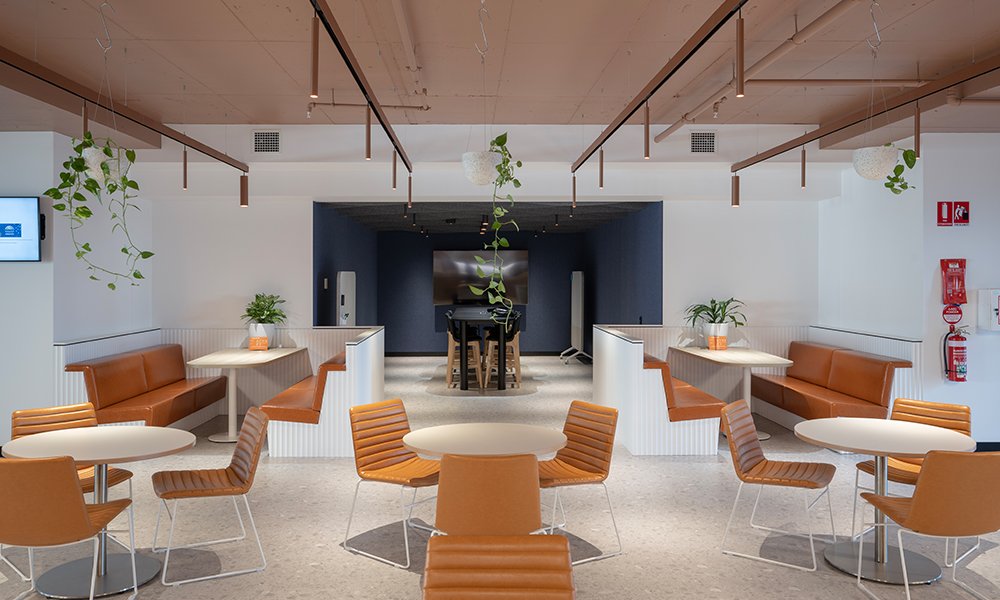
In the ever-evolving landscape of work, a paradigm shift towards remote collaboration is shaping the future of flexible work arrangements. The traditional 9-to-5 office routine is giving way to a more dynamic and adaptable approach, where professionals are no longer tethered to a physical workspace. A typical work week experienced by most of our clients is 3 days in the office and 2 days working from home.
Moreover, organizations embracing remote collaboration often witness increased productivity and innovation. The diverse perspectives that come from a geographically dispersed workforce can lead to more creative problem-solving and a richer tapestry of ideas. This shift is not just a response to external circumstances but a strategic move towards a future where flexibility is a cornerstone of a successful workplace.
As companies adapt to this new normal, the ability to embrace remote collaboration becomes a competitive advantage. It is a catalyst for cultivating a more agile, resilient, and responsive workforce, underscoring the transformative power of flexible work arrangements in shaping the workplaces of tomorrow.